After getting the book, I was reading for about 2 weeks, yes, there is a lot of useful background info, from the type of yeasts, flours to the baking techniques etc. Finally decided on a ciabatta recipe using a biga (an Italian style firm pre-ferment).
As a pre-ferment is involved, this recipe took 2 days to complete. The first day for preparation of biga and letting it rest chilled overnight, and the next day to continue with 3 fermentations and finally baking. Ciabatta doughs are notorious for being very very wet, some are almost pourable. It is this which accounts for the large holes so important to an authentic ciabatta. See here for a pic of a gorgeous ciabatta. For mine, it was not as wet as I expected, I should probably have held back some of the flour or added more water. As a result, I didn't manage to get the 'hole-y' crumb that I had hope for, but it's a good start to more rustic bread making.
 Another look


 For lunch today, I used


 I used a recipe for 'Siew Pau' from Kuali. However, the skin turned out to be more flaky like 'Char Siew Soh'. It has been a long time since I had Siew Pau, so I cannot remember how the skin is supposed to be like. But anyway, these pastries turned out to be flaky and quite good I must say. So now I must go in search of the 'true' Siew Pau.


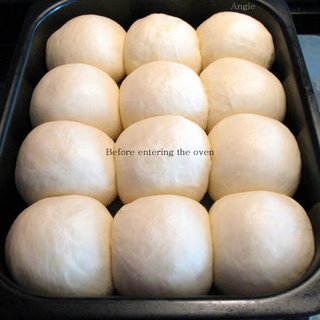
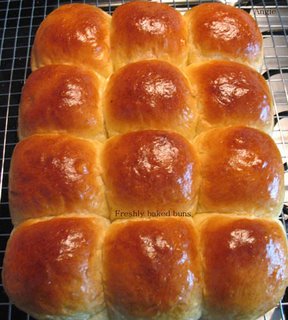
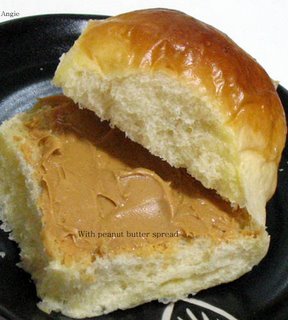 Nothing beats freshly baked bread from the oven. I simply love the aroma that fills the kitchen while the buns are being baked.


